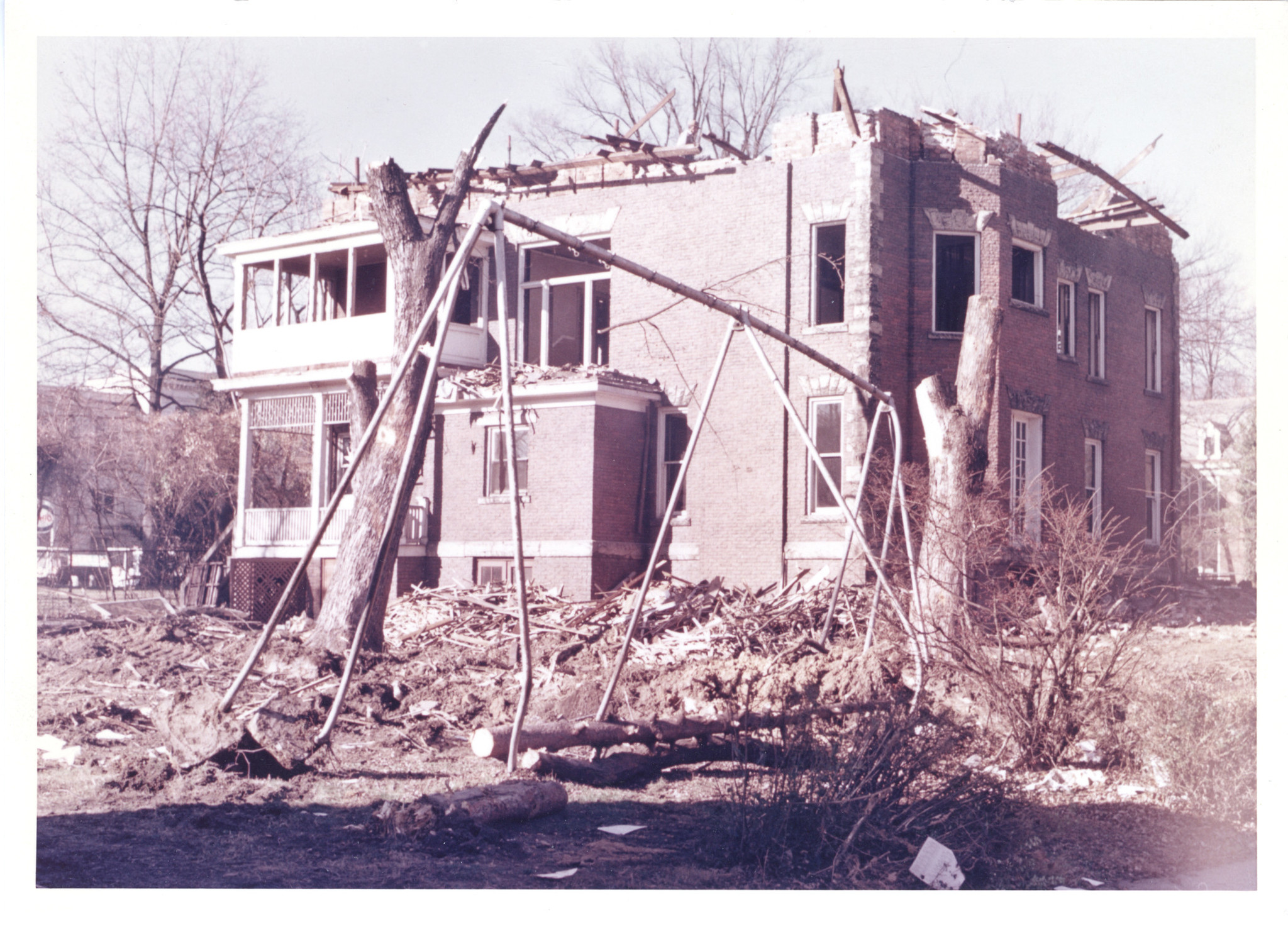
Black and white photo of the razing of the old Y.M.C.A building for construction of new. Previously G. Williams property until donated to YMCA in 1937.
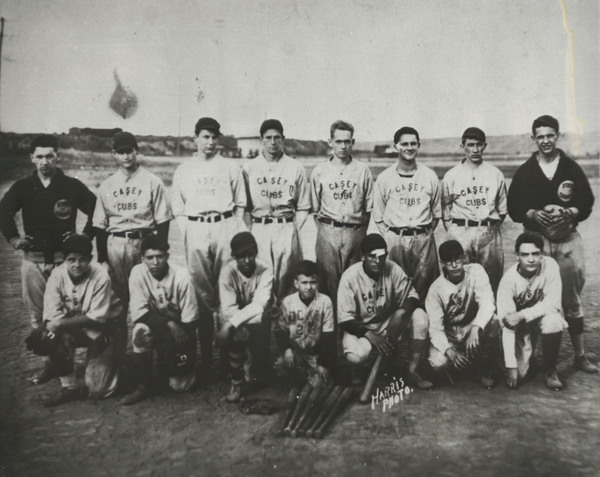
Black & white photograph of the American Legion James Dickey Post 23 Baseball Team "The Casey Cubs." They played against Cleveland to win the state junior league championship in 1929. They played again in 1930 but the team stopped playing after the 1930 season.
On back: "This picture was taken in 1930 one year after winning the Ohio State Championships."
Front row, left to right: Harold Sagowitz, Jack Spitzer, Paul Russell, Jim Spitzer (mascot & bat boy), Tom Norman, Clarence Servey, Bill Grashel.
Back row: Joe Spitzer, ? Benner, Jim Mooter, Sid Boydston, Harry Skinner, Louis Russell, Paul Petry, Harry Toomey.
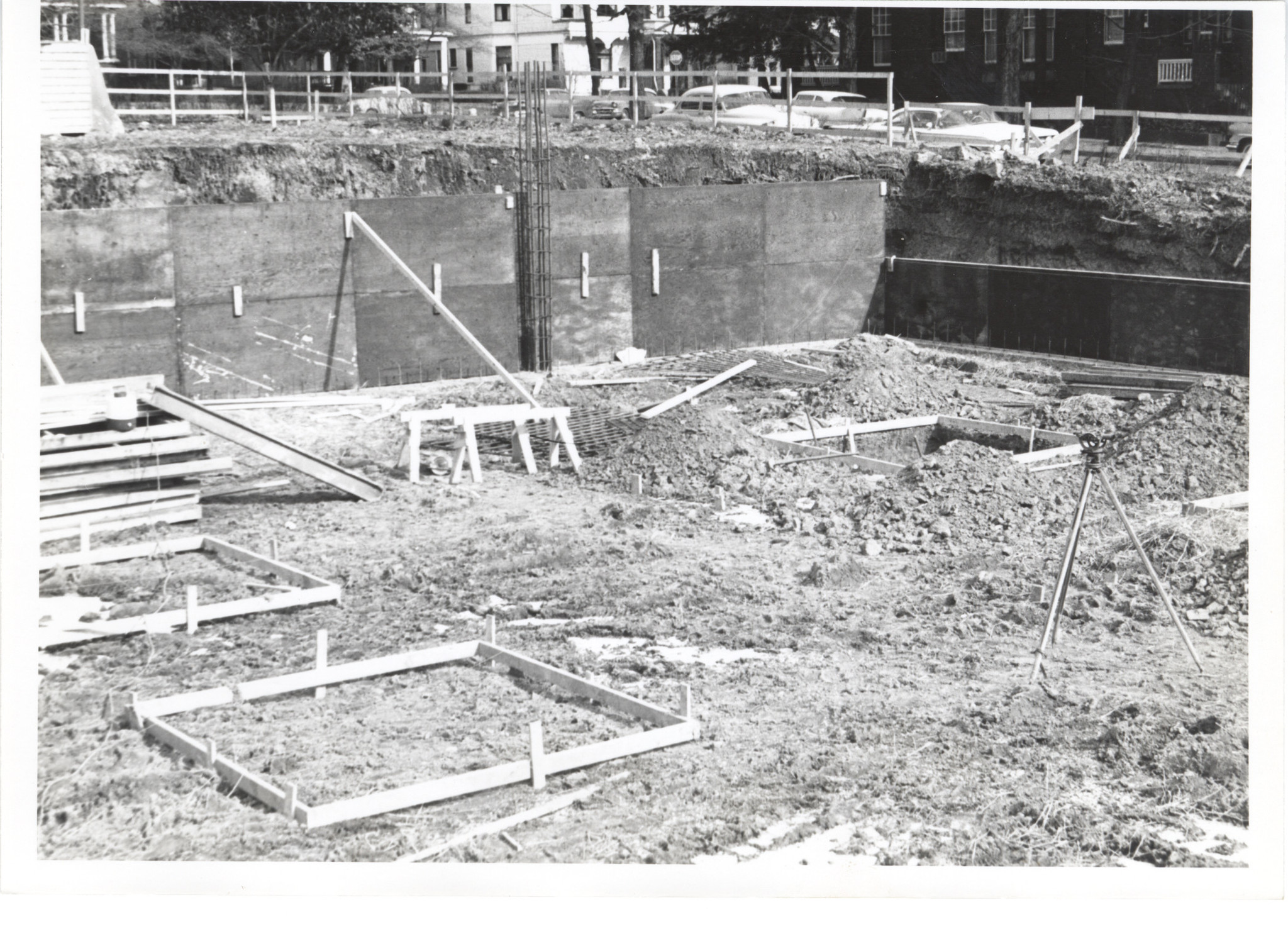
Black and white photo of the construction of the Y.M.C.A building at 1236 Gallia Street. Previously the Grant Williams property which was donated in 1937. In 1955 Williams Mtg Company donated $120,000.00 for a new building
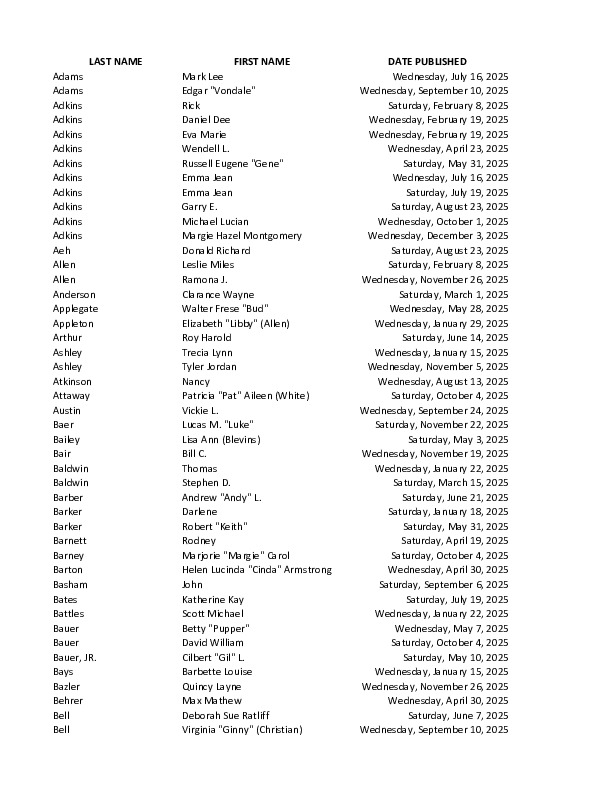
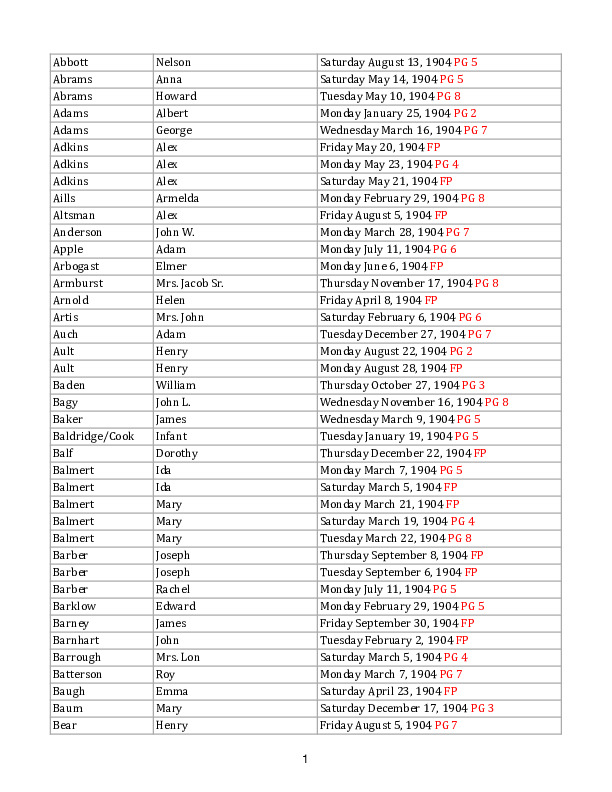
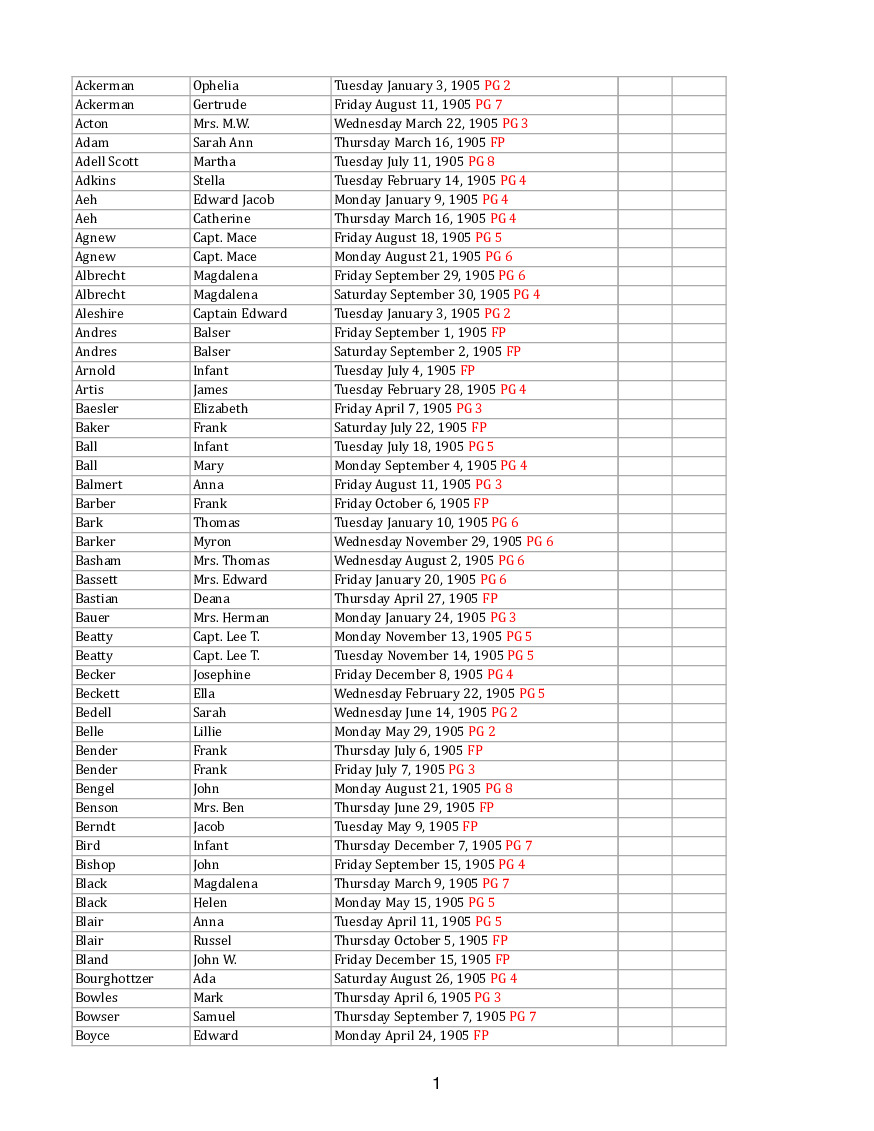
Black print in chart with last name, first name, date that obituary fell on in the Portsmouth Daily Times. Funeral Home Index is also included for those with no obituary in the Portsmouth Daily Times.