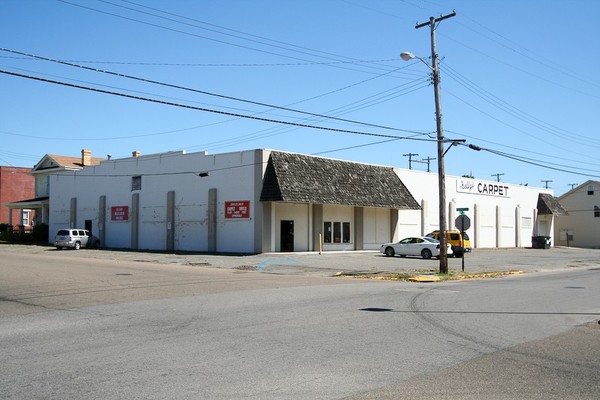
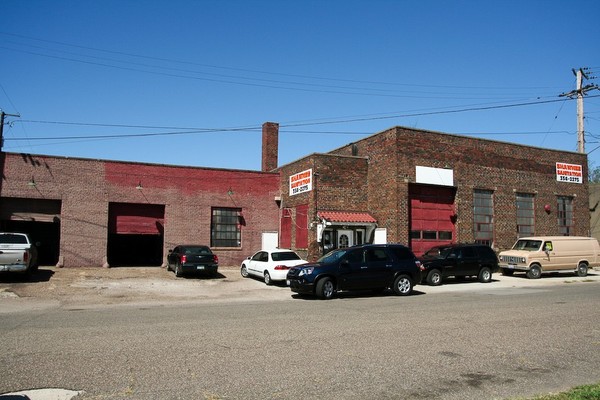
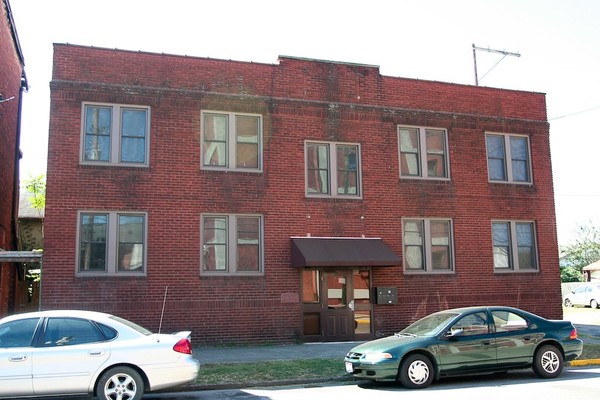
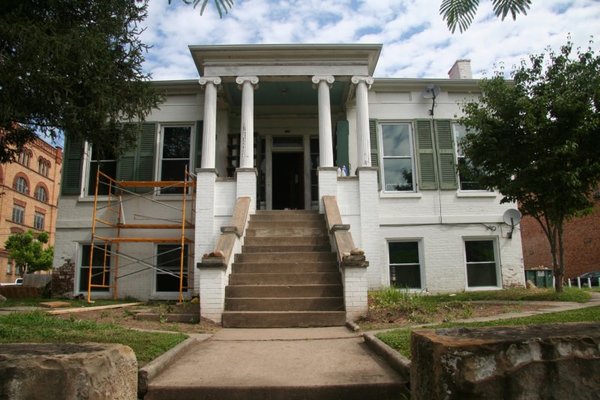
The PCL Building Supply Company, 401 Third at the corner of Jefferson Street.
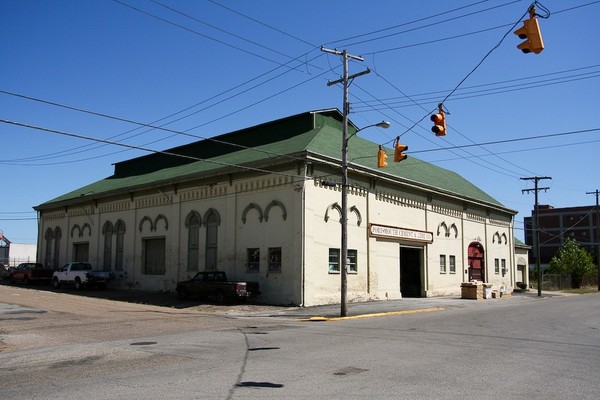
In the 1840s the Portsmouth Machine and Casting Company foundry employed 50 people, manufacturing boilers, engines and a variety of parts.
Later the Portsmouth Cement & Lime Company opened in the building and in 2013 they became known as PCL Building Supply Company.
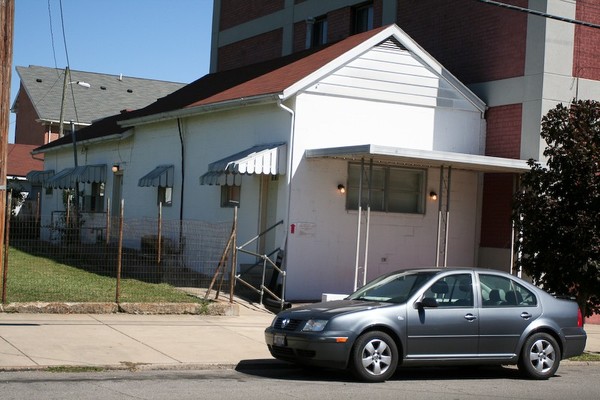
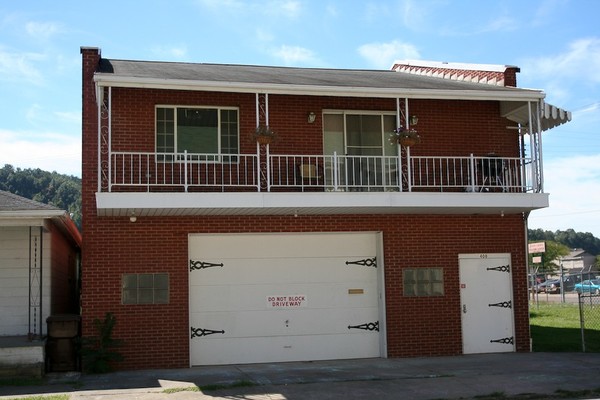
Private storage garage.
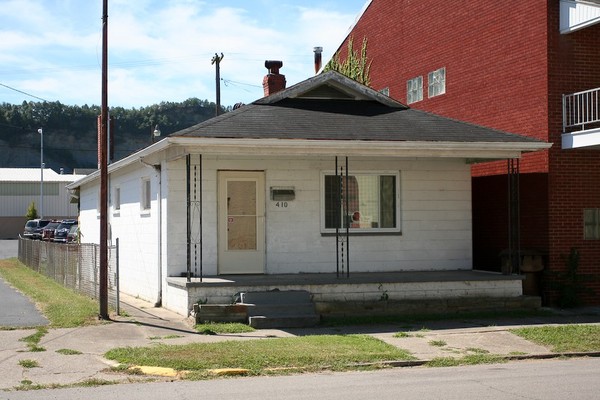
Scioto County Auditor lists year built as 1900. The back part of the building, not seen in this photo, is cement block. Front portion is newer metal construction.
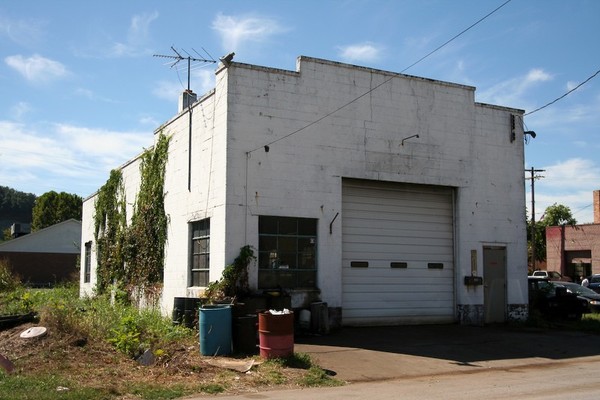
Originally built in 1927 (Scioto County Auditor) as the Portsmouth Public Service Bus Garage/Portsmouth City Lines. Used in that capacity until about 1954.
Served as a garage, truck repair service and warehouse for a variety of companies from about 1955-2010.
2010-2016 Shawnee Sanitation Garage & Scioto Fleet Svc, auto repair & service.
The address for the location can be found as 213, 215, 223 Madison Street in various Portsmouth City Directories from 1927-2016.
This passenger pigeon was shot in an orchard on Offnere Street in Portsmouth, Ohio by Arthur Bannon around 1882. He presented it to his mother, a taxidermist, who wanted a specimen of the nearly extinct bird for her collection. The male passenger pigeon is dark brown with a copper-colored breast and stands 7 inches (17.78 cm.) high and is 15 inches (38.1 cm) long from its head to its tailfeathers. Passenger pigeons were once the most numerous species of bird in North America and provided a seemingly endless supply of meat, fat, and feathers to early settlers. Contemporary observers described migrating flocks of passenger pigeons as blackening the skies due to their large numbers. Later in the century, commercial hunting of passenger pigeons became popular. The growth of the railroads promoted pigeon hunting, since the trains could transport pigeon meat to major markets with no danger of spoilage. By the late 1880s, the decline in the passenger pigeon population became irreversible. It is now extinct.