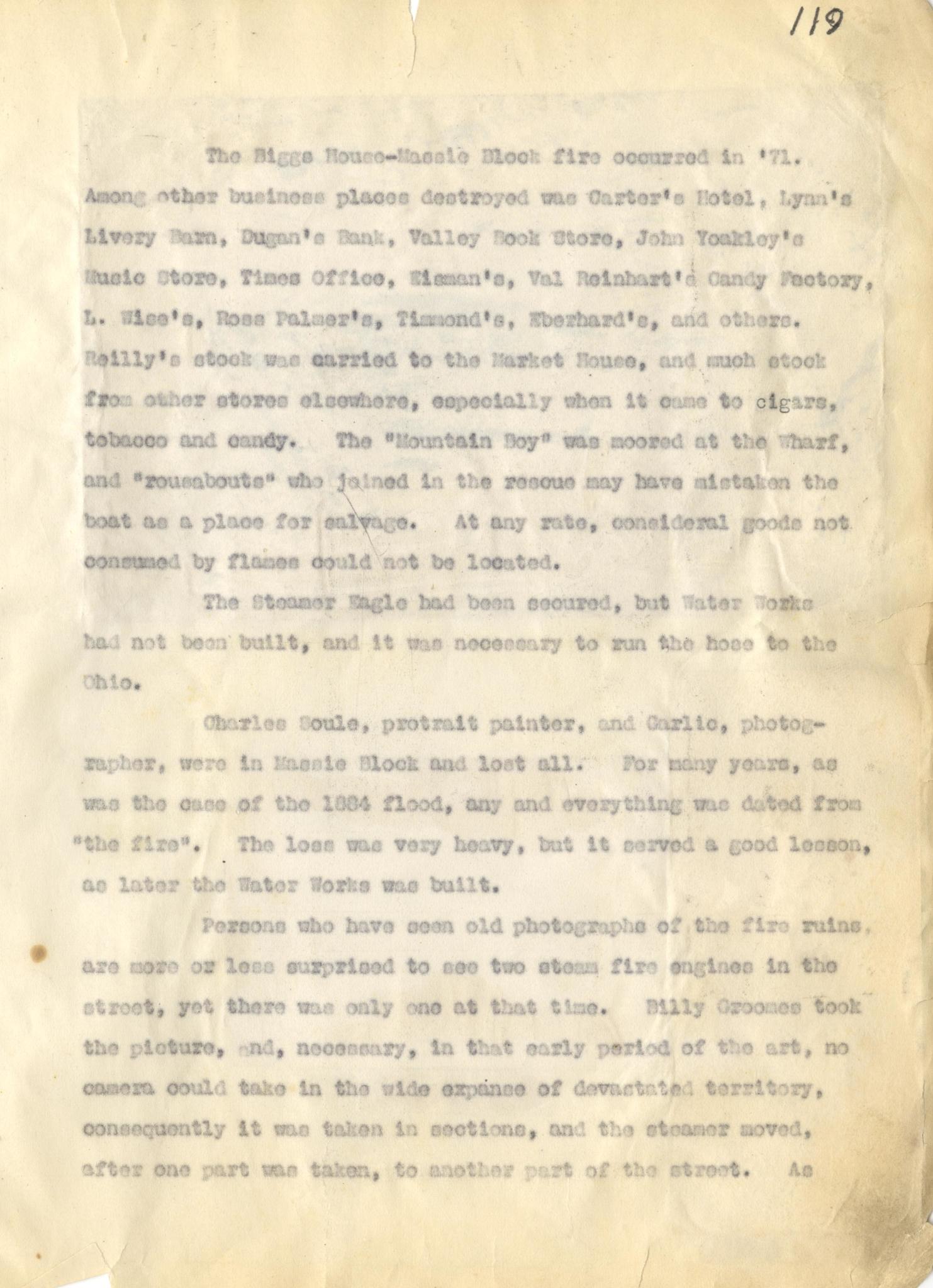
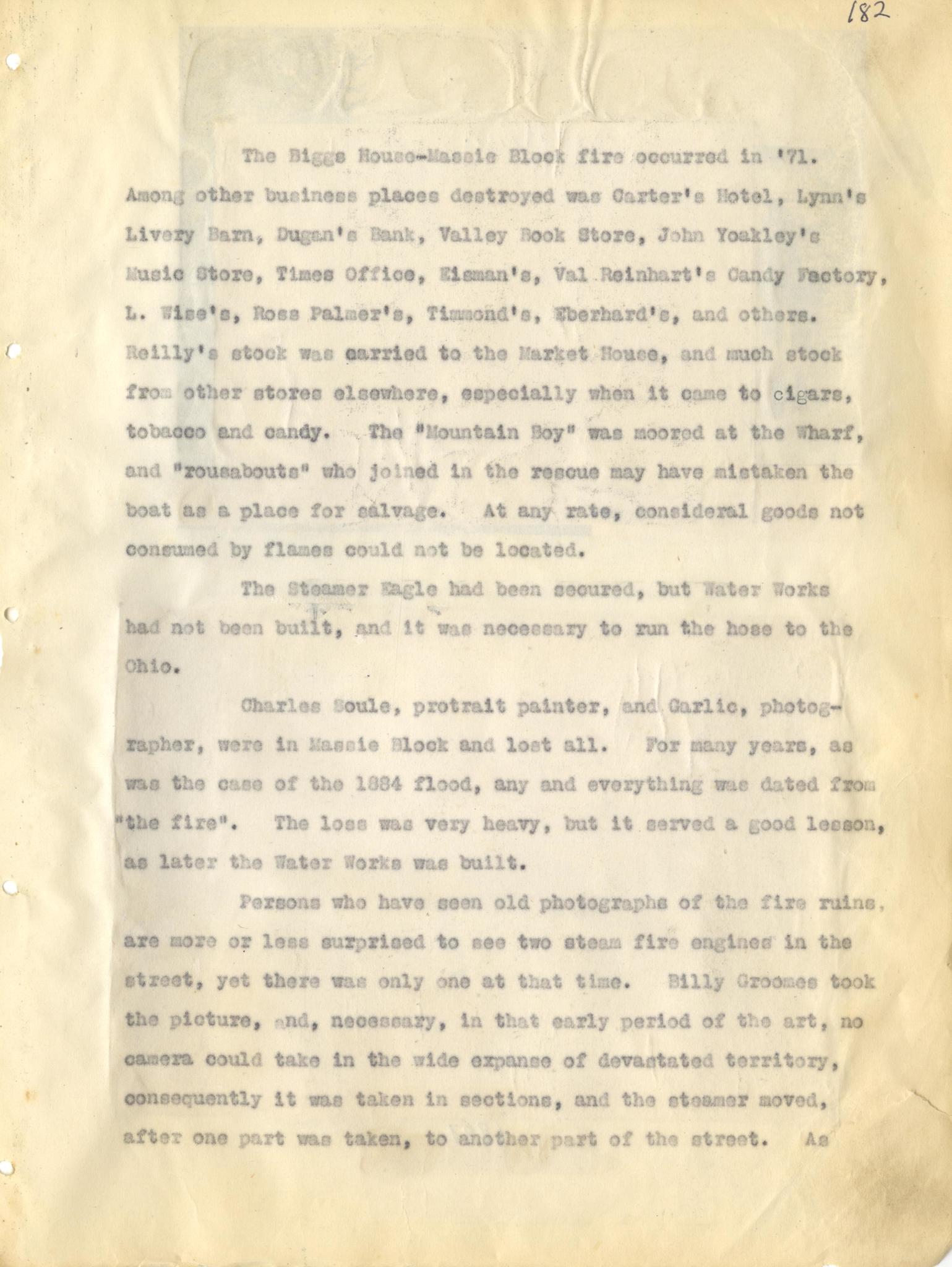
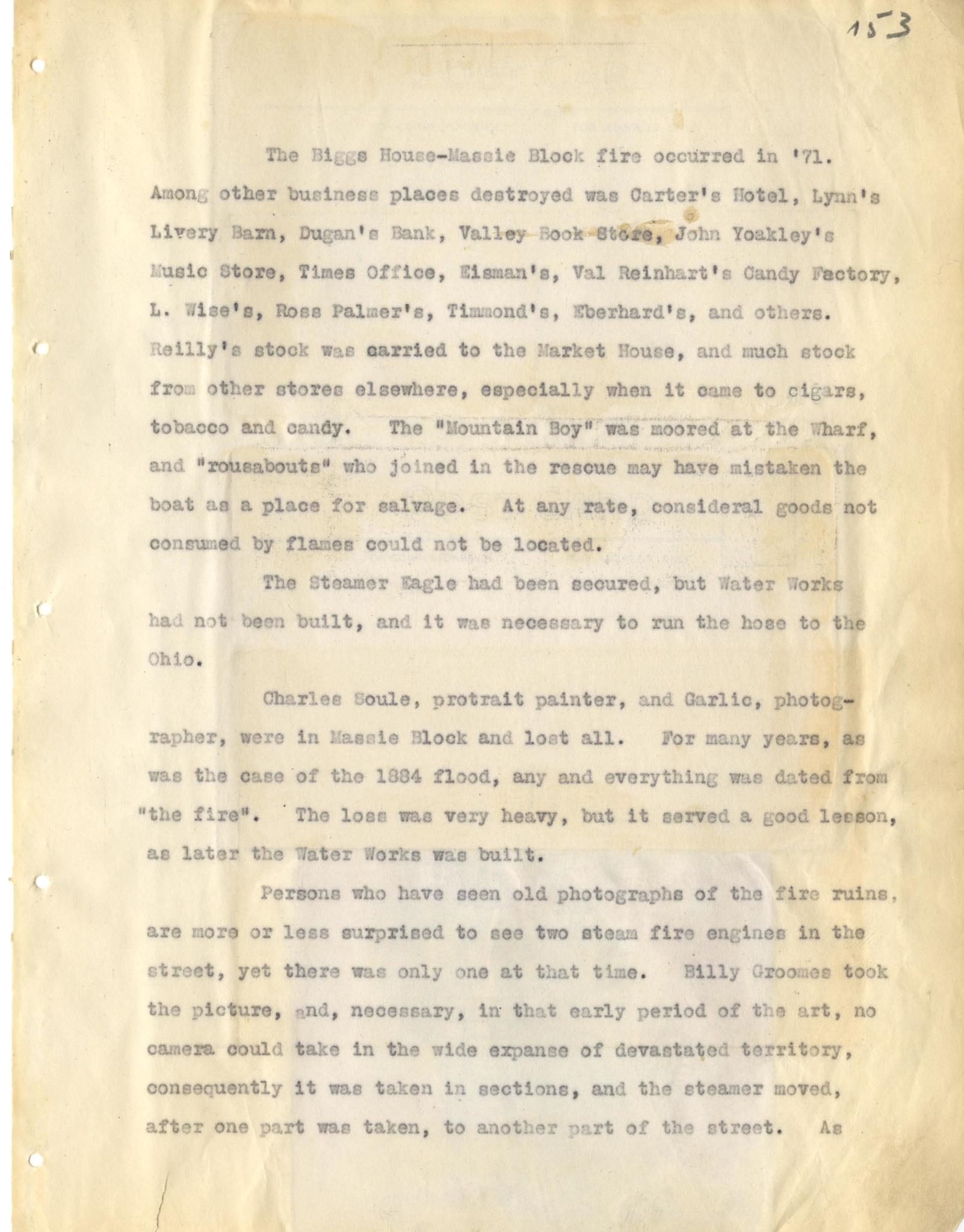
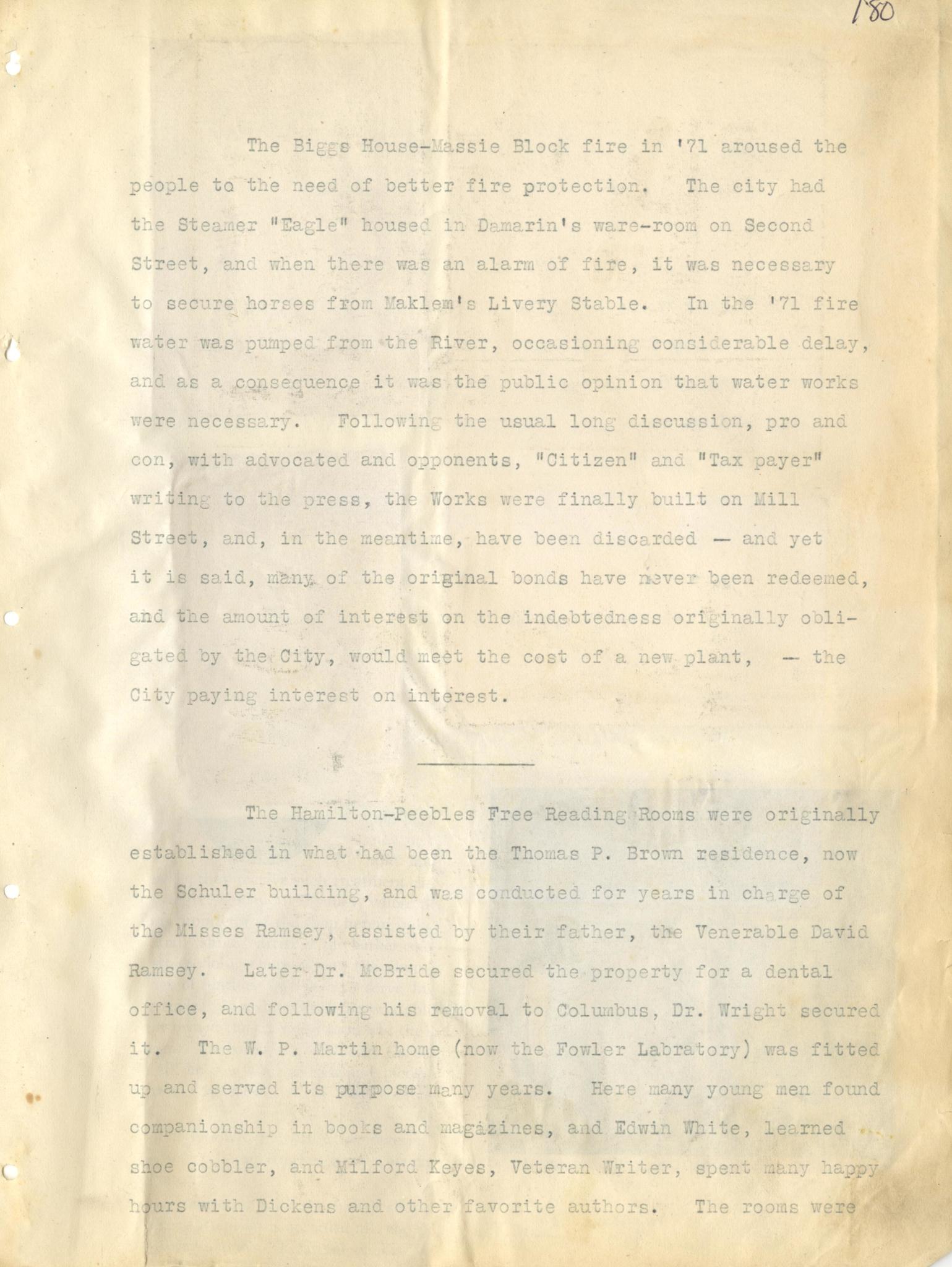
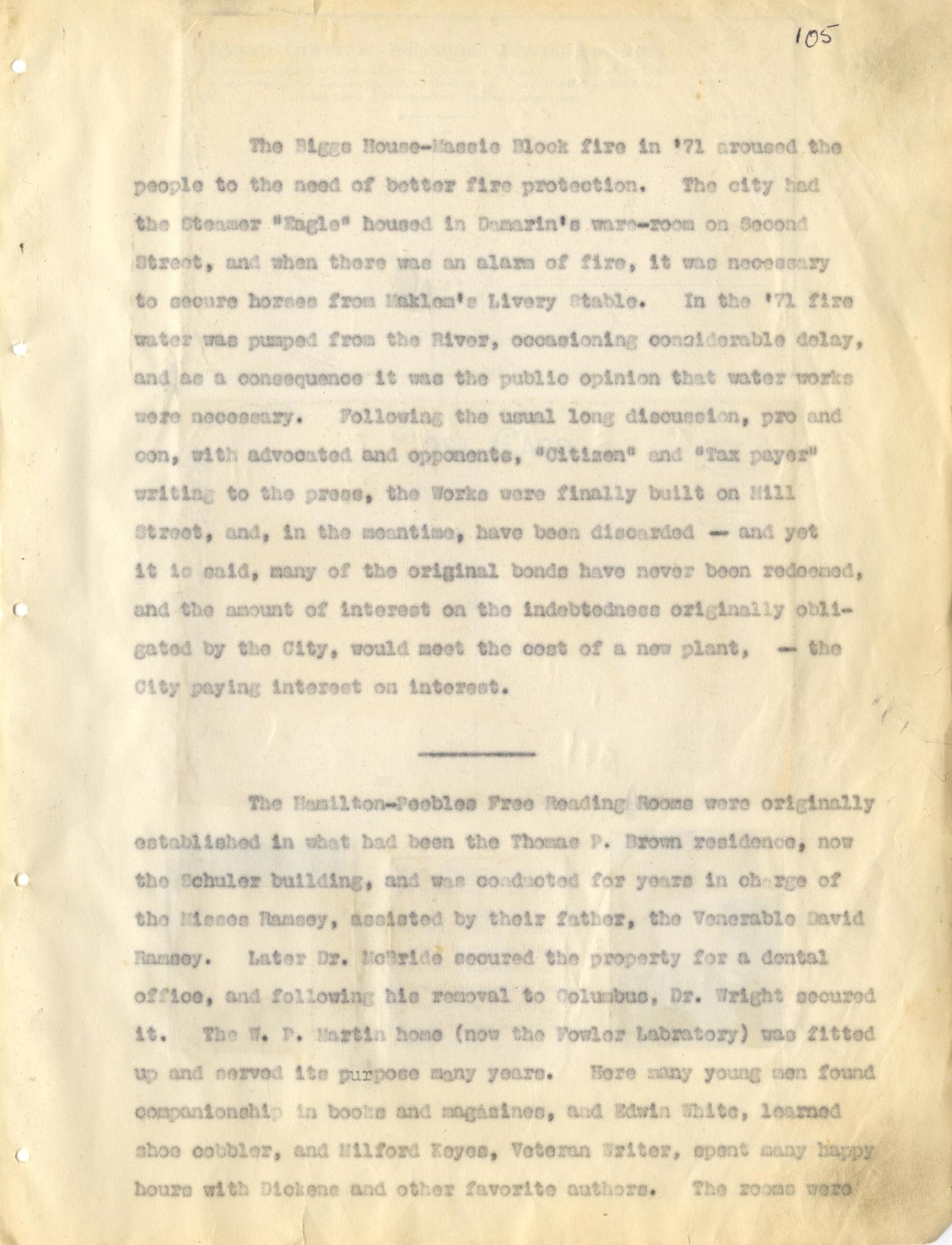
Photo image of scanned scrapbook page. Pictured: Typed page giving details about the Biggs House-Massie Block Fire of 1871 and the Hamilton-Peebles Free Reading Rooms
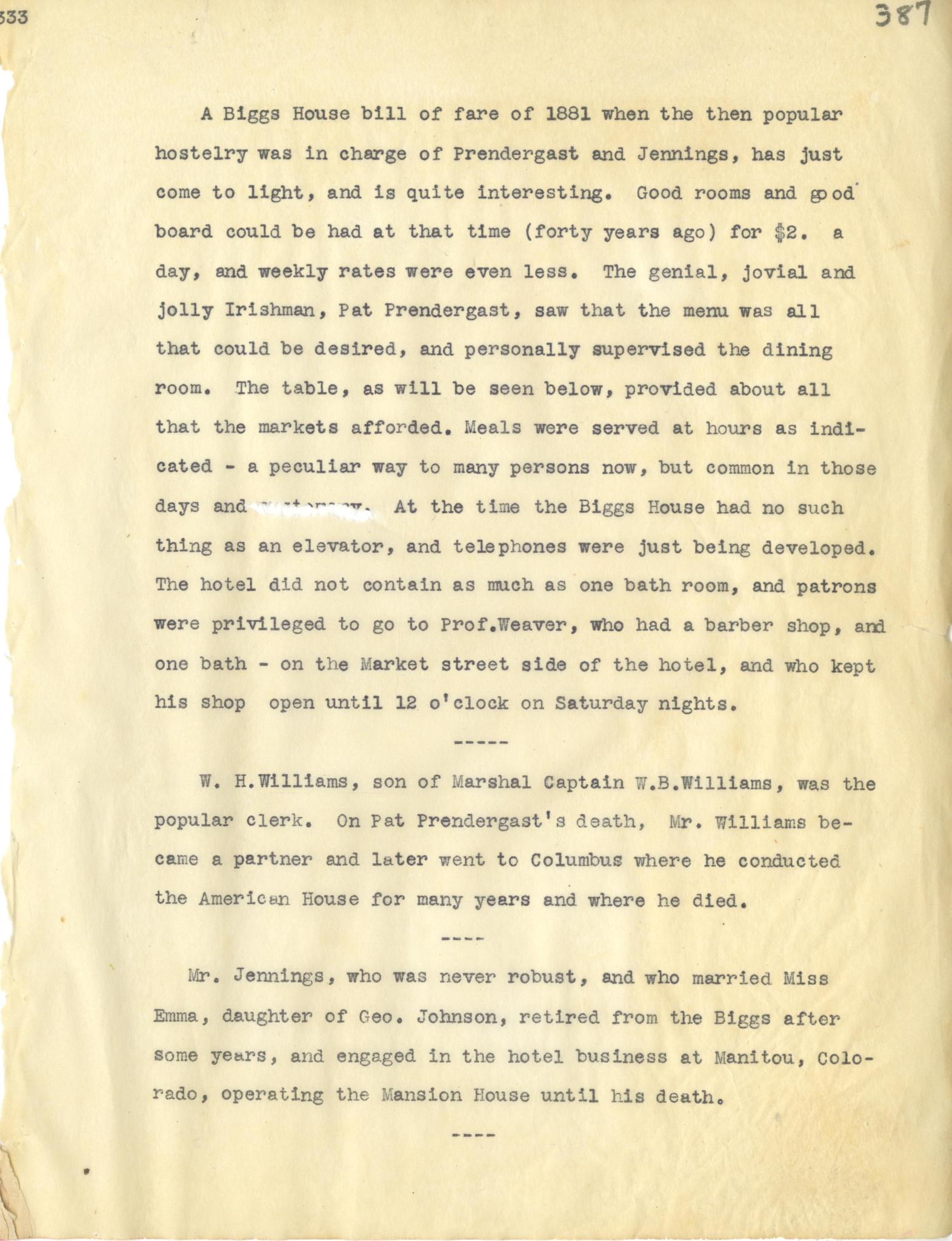
Photo image of scanned scrapbook page 387. Biggs House; Bill of Fare (1881); Prendergast; Jenning; Pat Prendergast; Professor Weaver; W.H. Williams; Marshal Captain W.B. Williams; Miss Emma; George Johnson; Mansion House
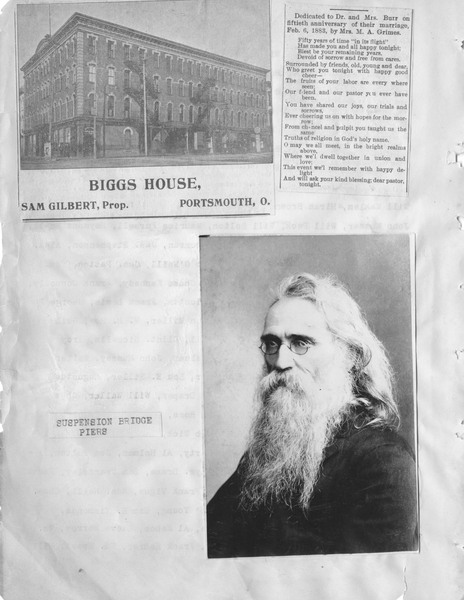
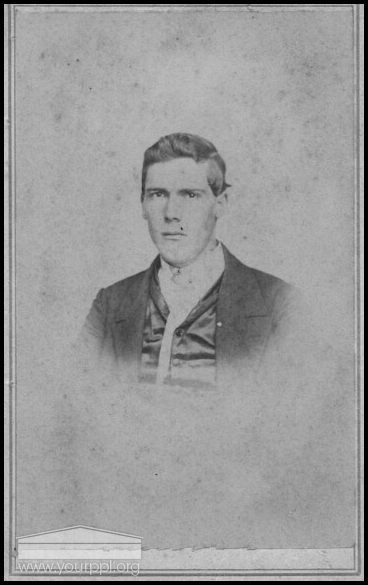
Scanned unnumbered page from Henry A. Lorberg scrapbook containing black & white images of the Biggs House, Sam Gilbert, Prop; and an unidentified man. A newspaper clipping announcing the fiftieth anniversary of Dr. and Mrs. Burr's marriage. A caption reads "Suspension Bridge Piers" but image is missing.
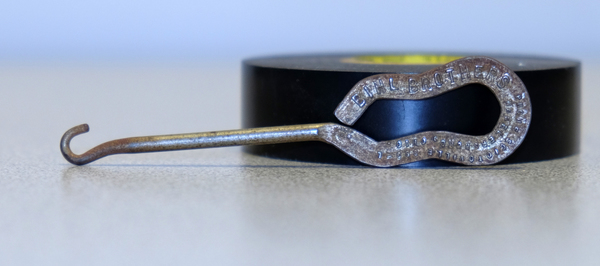
Metal shoe button hook engraved, "Bihl Brothers, Phone Sciotoville 993, Wheelersburg, Ohio." "Central Shoes" on reverse side. In 1930, Bihl Bros. placed small ads for candy, meats, poultry, etc. in the Portsmouth Times. The 1930 census lists truck farmers named Bihl residing in Porter Township.
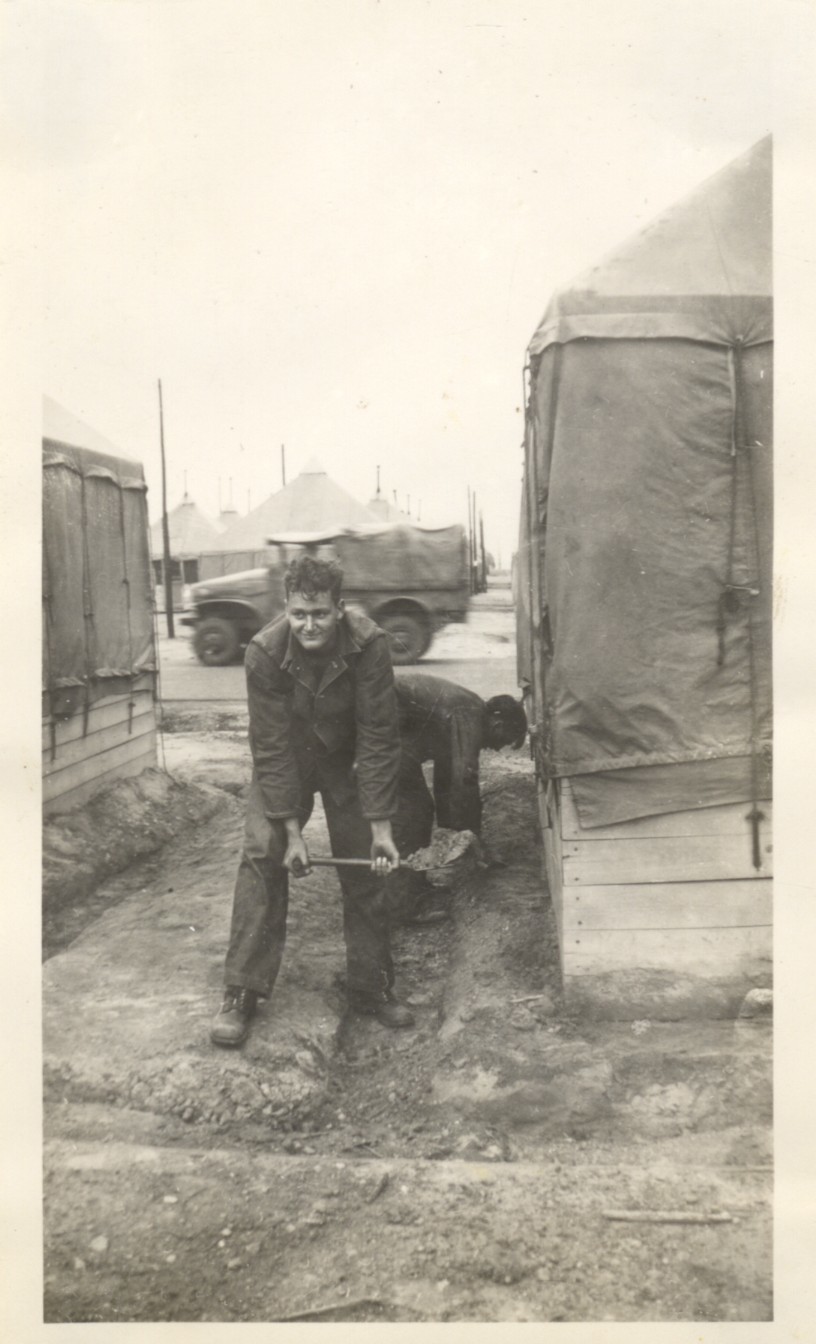
Black and white photo image of Bill Grizzell. Written on back; Sciotoville/PEHS Class of 1942. U.S. Army, Fall 1942, 23 years old. Indications on back show that item was glued in a scrapbook.