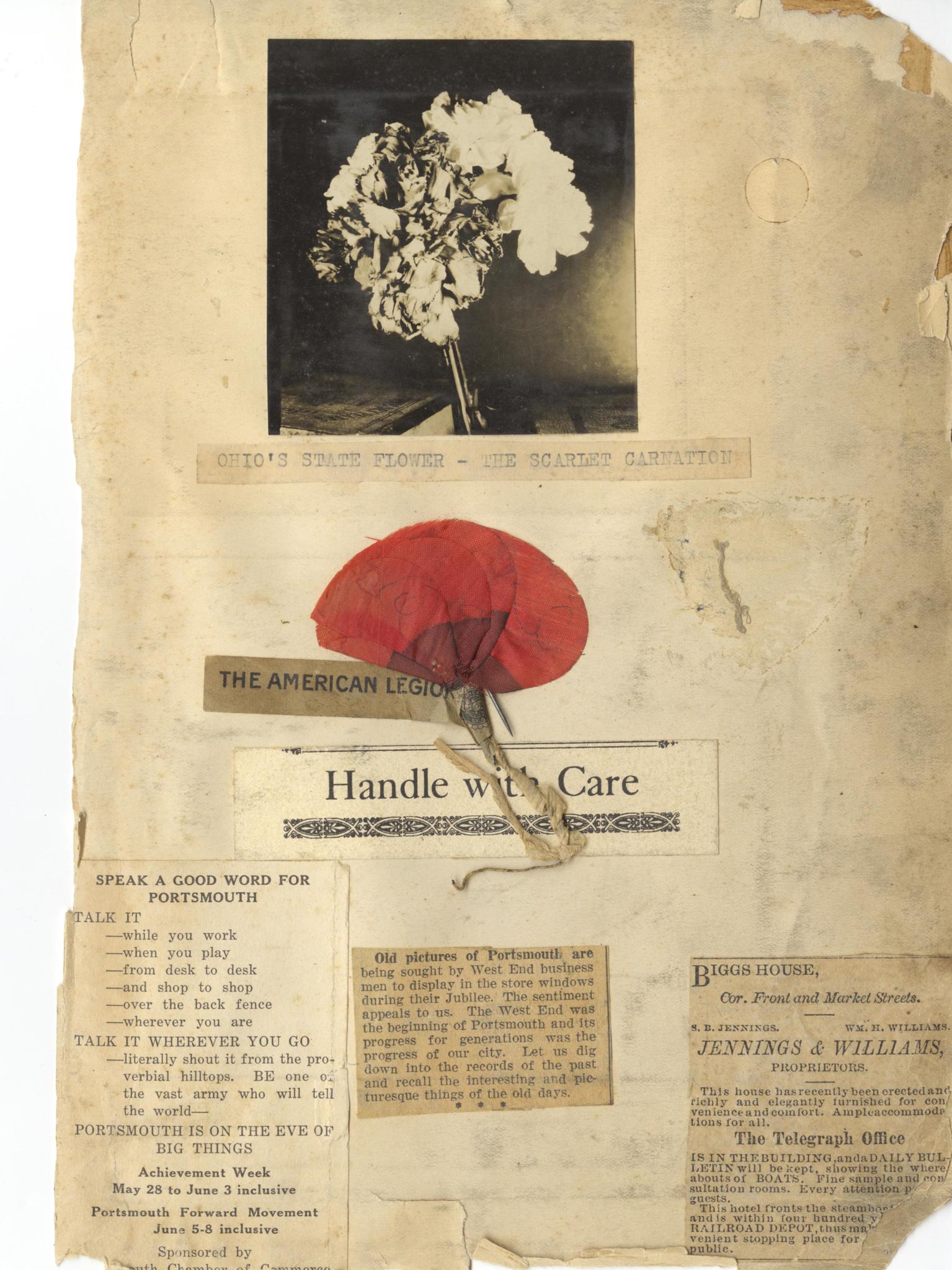
Photo image of scanned scrapbook page. Ohio's State Flower; The Scarlet Carnation; The American Legion; Speak a Good Word For Portsmouth; Achievement Week; Portsmouth Forward Movement; West End; Biggs House; Front Street; Market Street; Jennings & Williams; The Telegraph Office
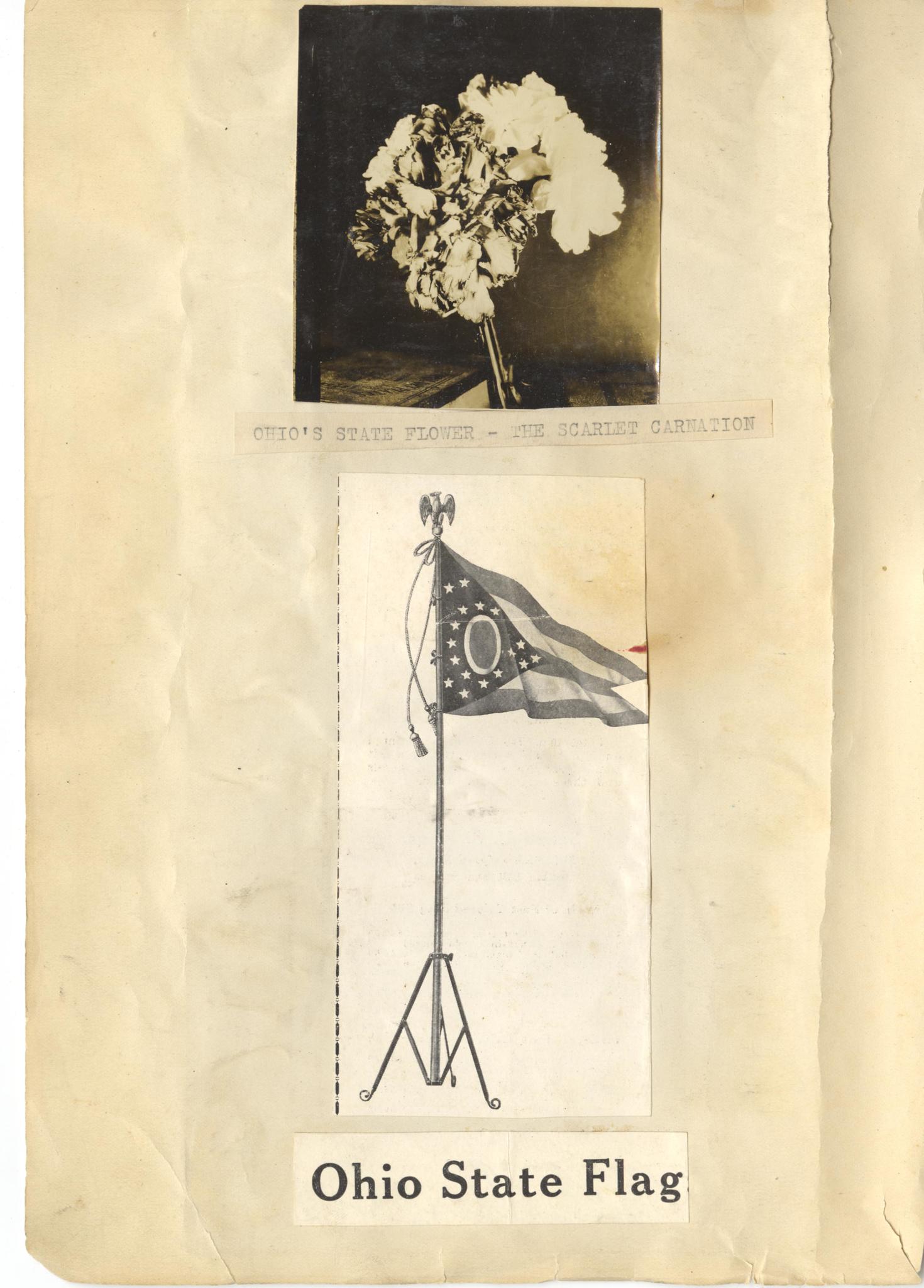
Photo image of scanned scrapbook page. Pictured is a black and white photo of Ohio's State Flower, the scarlet carnation and an image of the Ohio State Flag
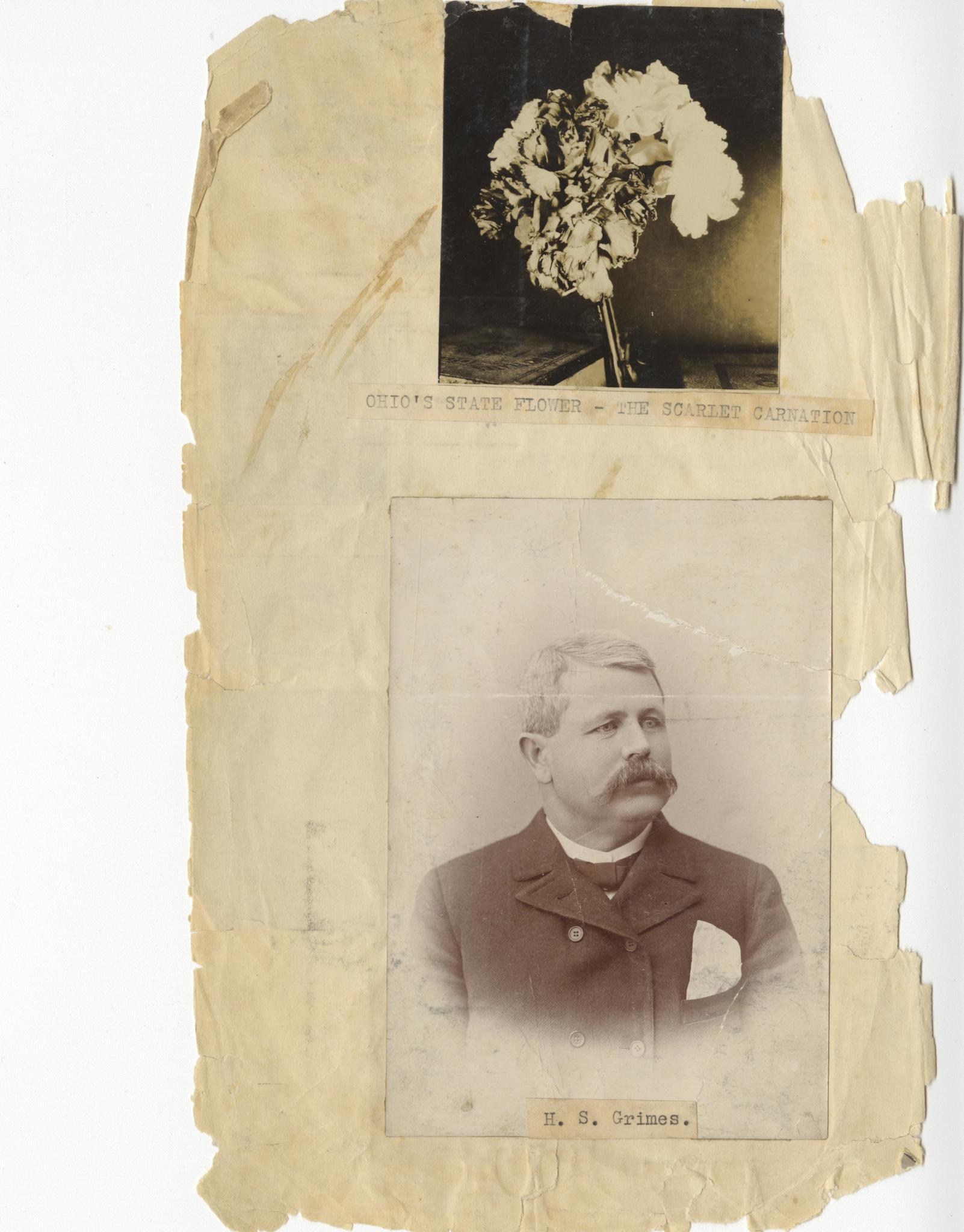
Photo image of scanned scrapbook page: Ohio's State Flower- The Carnation and H. S. Grimes, who built the Grimes Hotel located at the corner of Second (2nd) and Gay Streets.
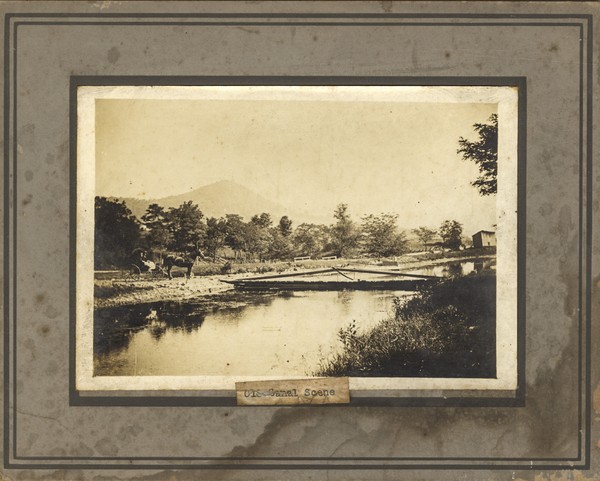
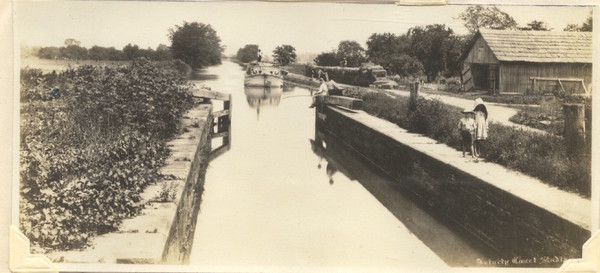
"Lock on the Ohio-Erie Canal showing canal boat and farm produce for loading on the boat in the foreground. The picture was taken in 1905 in Upper Licking County."

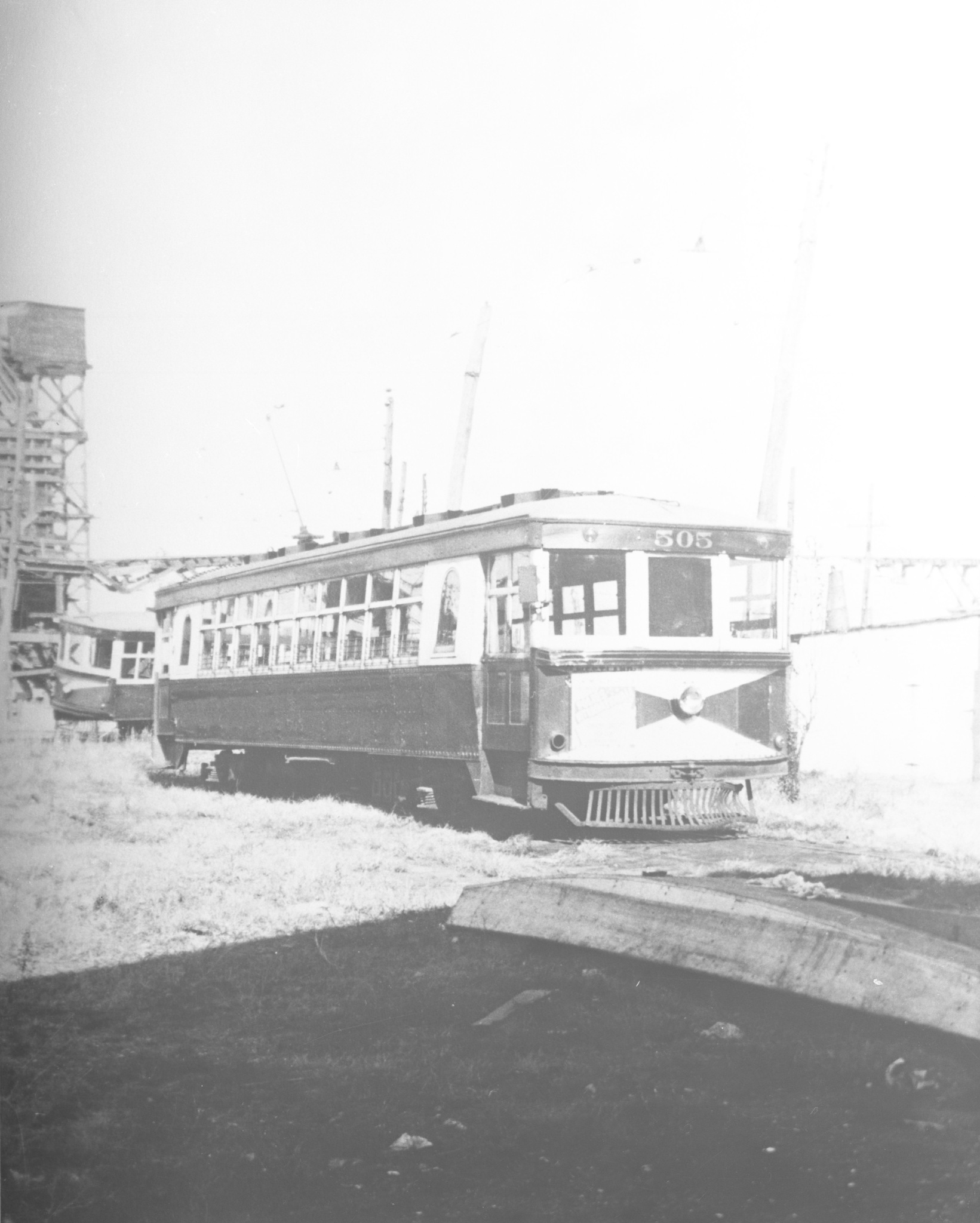
Black and white photo image of the Ohio Valley Interurban Station. The Ohio Valley Traction Railway ran 30 miles from Portsmouth to Ironton, passing through Sciotoville, Wheelersburg, and Hanging Rock.
Black and white photo negative of the Ohio Valley Broom Co. that was located on Front & Jefferson Streets. It was co owned by Francis Shinkle and William Merns until 1934. Francis Shinkle took over the business by himself until 1935 when he moved the business out of Portsmouth to Bethel, Ohio.
The Ohio Valley Bank was located at the corner of Chillicothe and Sixth (6th) Streets. It would ultimately become the Portsmouth Banking Company (Elk Building).
Color photo image of Massie Hall at the corner of Second (2nd) and Bond Streets. Ohio University first opened a Portsmouth branch in 1945. Massie Hall was built in 1966 and became part of Shawnee State Community College (two year) in 1977 when O.U.P.B. merged with Scioto Technical College.
Aged, yellowed paper certificate with black fonts, illustrations and black ink signatures. Presented to Doug Lowe for completing a Bachelor of Sciences in Communication.
Paper receipts merchants were required to buy from the state and give to consumers when the merchants charged them state sales tax. Consumers were encouraged to collect the receipts and give them to schools or charities. These organizations could then turn them in to the state and collect three per cent of the face value.